
Butter coffee: what butter and MCT oil add to your cup
Pale foam without any milk: butter coffee is made by mixing coffee with butter and often MCT oil. The added fats turn coffee into an energy-rich drink. Caffeine, dietary fat and the other nutrients in a breakfast still have different roles. Alongside breakfast, the fats are an addition to the meal. Instead of breakfast, the drink replaces the foods you would otherwise eat and the nutrients they provide. The well-known branded version, Bulletproof Coffee, uses coffee, butter or ghee, and MCT oil.12

The mixture often appears as a morning ritual in biohacking and keto routines. Its ingredients bring together a caffeinated drink and concentrated sources of fat. To understand how it fits into your eating habits, look at those ingredients and at the meal you have alongside it, or the meal it replaces.
Butter adds milk fat
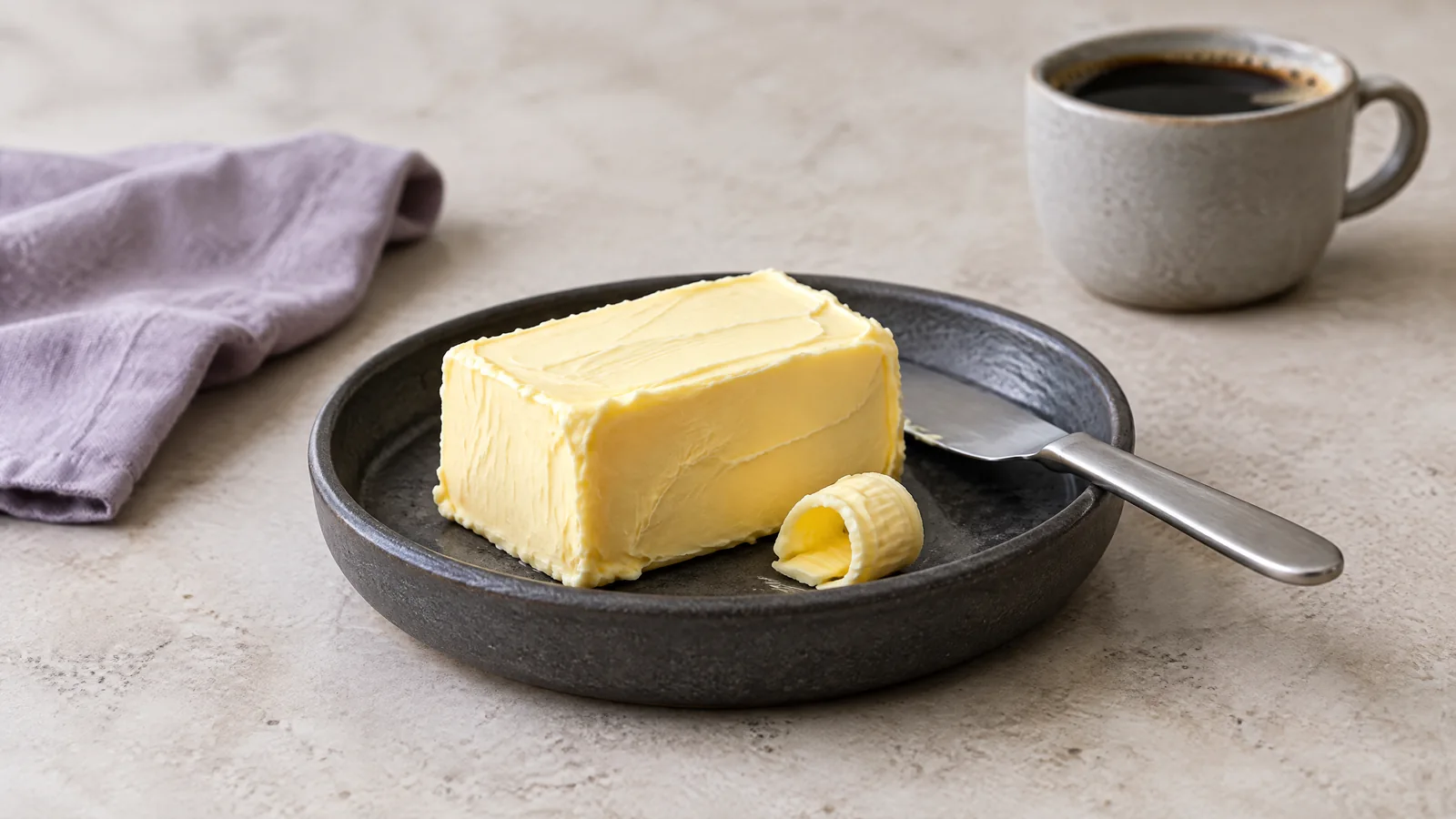
Butter is a source of fat from milk, with a substantial proportion of saturated fatty acids. “Saturated” describes their chemical structure. Both the total amount of fat and the fatty acid composition of your food matter when planning a diet. The German Nutrition Society recommends favoring plant oils and limiting saturated fat intake.2
Butter in coffee contributes to the same daily intake as butter on toast or fat used in cooking. Being part of a drink does not put it in a separate nutritional category. If butter coffee is added to your usual breakfast, its ingredients are added to what you already eat.
What MCT oil contains
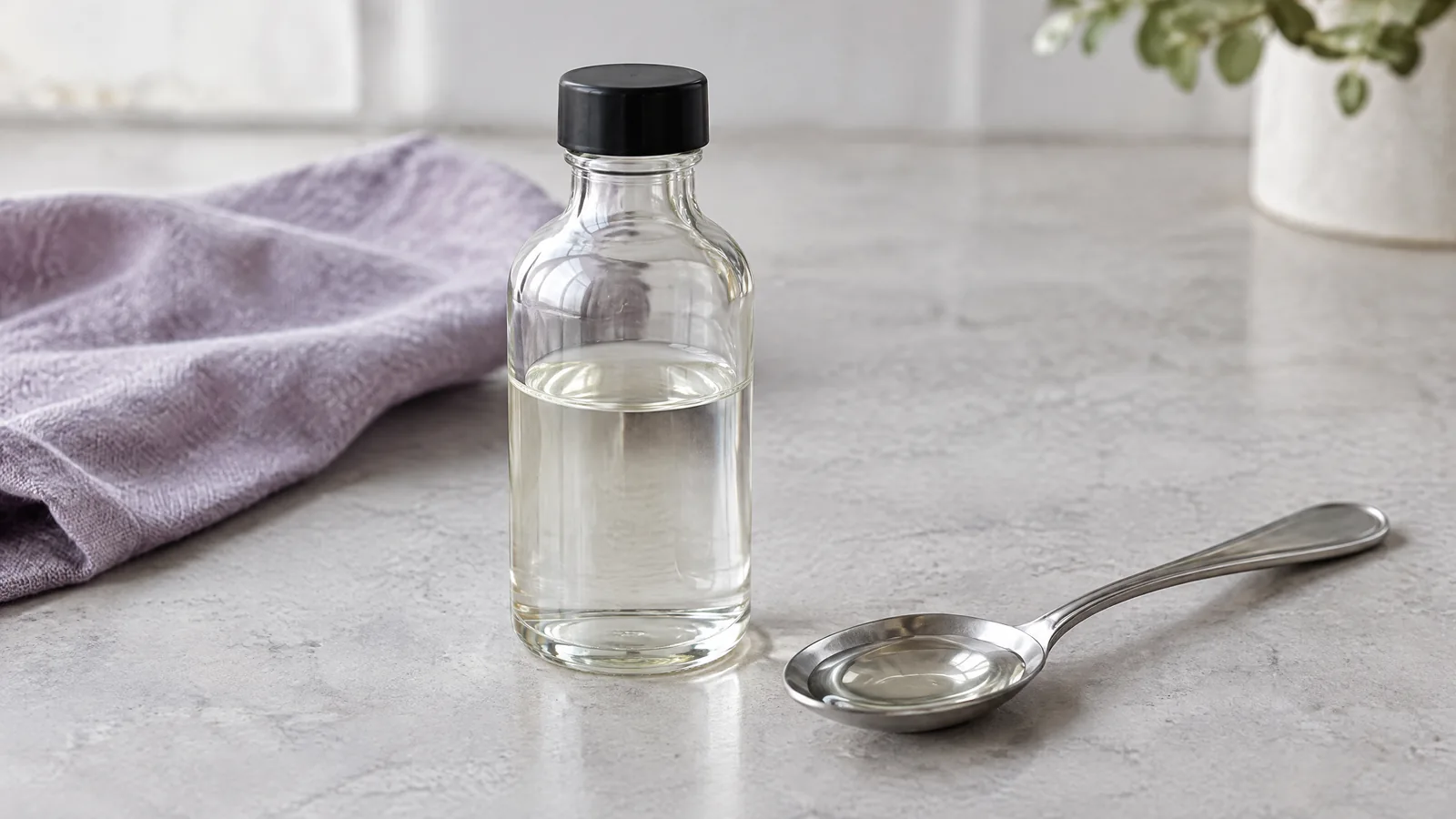
MCT stands for medium-chain triglycerides. Triglycerides consist of glycerol with fatty acids attached. Caprylic acid and capric acid are particularly common in MCT oils. Their familiar labels, C8 and C10, describe the number of carbon atoms in those fatty acids.3
Chain length influences how fats are processed in metabolism. MCTs are studied in relation to ketone production, which explains the interest in ketogenic diets. Ketones are energy carriers made by the liver from fatty acids. A review of studies in healthy adults also describes how the responses examined depend on the oil’s composition, the amount consumed and accompanying meals.3
MCT oil can cause gastrointestinal discomfort and diarrhea. Digestive tolerance is one reason not to keep increasing the amount.3
Caffeine is a separate consideration
The caffeine comes from the coffee. Its amount varies with factors including the beans, brewing method and serving size. EFSA describes caffeine as a stimulant of the central nervous system. Energy supplied by added fat and stimulation from caffeine are different things.4
Keep counting the coffee as a caffeine serving when thinking about your day. Tea and other caffeinated drinks contribute to the same daily intake. Caffeine: what half-life means for your day explains how caffeine is broken down over hours and how this relates to bedtime.
Alongside breakfast or instead of it?
This distinction changes how the drink fits into a meal plan. If you drink butter coffee alongside breakfast, the coffee, butter and oil are additional ingredients. If you have it instead of breakfast, the foods in your usual meal are removed. That meal might have included a protein source and fiber-rich foods.
Coffee with added fats has a different composition from a breakfast containing those foods. Comparing your actual breakfast with your actual cup is therefore more useful than treating the drink as a general-purpose breakfast replacement. High-protein breakfasts without powder offers meal examples built around protein sources.
If you plan eating windows, the energy in butter and oil also counts as food intake. Butter and oil supply energy, unlike black coffee during an energy-free break between meals. The intermittent fasting guide explains timing patterns, suitability and risks.
Record the ingredients you actually use
A “black coffee” entry does not capture added fats. Record the coffee, the butter you use and any added oil with their actual amounts. A generic butter coffee entry may describe a different recipe from yours.
In The 8 Protocol, you can document foods and portions in your nutrition diary. Individual ingredients are particularly useful for this drink because the amounts of butter and oil substantially affect its composition.
Takeaway: butter coffee is coffee with added sources of fat. Its ingredients, amounts, the rest of your day and whether it accompanies or replaces a meal all matter. A commercial brand’s recipe establishes how that drink is made. It does not establish a health benefit from the mixture or a benefit for lifespan.
Sources
- Bulletproof: Bulletproof Coffee Recipe. Manufacturer’s description of its coffee, ghee and MCT oil recipe, displaying March 27, 2026. Commercial source used only for ingredients, not effectiveness claims. Accessed November 14, 2026.
- German Nutrition Society: Pflanzliche Öle bevorzugen. Professional information on fat as an energy source, butter and fatty acid composition. In German. Accessed November 14, 2026.
- Lin, Liu and Hung: The Ketogenic Effect of Medium-Chain Triacylglycerides. Frontiers in Nutrition, 2021. Review of MCT composition, ketones and tolerability in healthy adults, not a test of general health benefits from butter coffee. Accessed November 14, 2026.
- EFSA: Caffeine. Public professional information on the 2015 safety assessment, caffeine sources and the effect of coffee preparation on caffeine content. Accessed November 14, 2026.